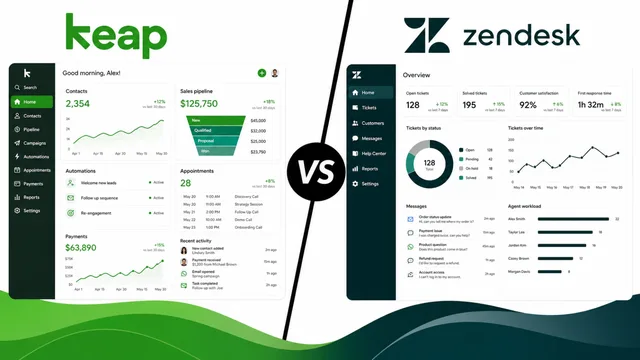
Compare Keap and Zendesk by workflow fit, usable-plan cost, limits, implementation effort, and the buyer scenario each tool serves best.
Reader-first verdictNo paid ranking slotsPricing pressure checkedPlan limits, upgrades, and alternatives matterBuying pathClick only when the workflow fit is clear
Comparison verdict
Read this before you click a vendor offer.
Choose between Keap and Zendesk by workflow fit, plan pressure, switching risk, and the next best alternative, not by a long feature list alone.
By the end, you should know which CRM option to inspect first, which tradeoffs matter, and when to open the official offer.
Editorial note: this guide is written to help buyers compare software fit. No active affiliate CTA is currently attached to the primary recommendation.
Start hereKeap
Keap is worth comparing when its crm workflow matches the buyer's priorities and current plan limits.
Decide onWorkflow fit, pricing pressure, limits, and switching cost
Feature volume matters less than whether the tool removes the bottleneck you are actually paying to solve.
Next clickOpen the official offer after reading the tradeoffs
Use the AppsAware offer link only after checking plan limits, support expectations, and the closest alternative.
Research-backed buyer update
Official pages checked before this recommendation.
Current official pages should be used to verify plan names, limits, and billing before choosing between Keap and Zendesk. This comparison is structured around workflow fit first, then pricing pressure, support risk, and switching cost.
Decision pointWhat the research changesVerify before you click
Workflow fitKeap and Zendesk should be compared against the same job: capture leads, sell, deliver, automate, or report.Open both official pricing pages and compare the plan that unlocks your required workflow.
Real costEntry prices rarely show the full buying pressure. Contacts, seats, products, emails, automations, storage, or transaction rules can change the winner.Check the first upgrade trigger before clicking either vendor offer.
Decision ruleKeap gets the first click only when it solves the workflow with fewer compromises than Zendesk.If the winner is unclear, read one more comparison or start with a monthly plan where possible.
Buyer fit table
Which option deserves the next click?
ToolRolePrice checkBest forVerify before buyingAction
KeapFirst option to inspectCheck current pricingservice businesses that need sales automationConfirm the same workflow, plan level, support needs, and integration stack.Read profile first
ZendeskClosest alternativeCheck current pricingsupport teams managing multichannel serviceConfirm the same workflow, plan level, support needs, and integration stack.Read profile first
Keap directly matches the workflow you are trying to fix.
The plan you are considering still works after seats, contacts, usage, products, automations, or transaction limits.
Recent third-party review patterns do not show a deal-breaking support, billing, or reliability concern.
The closest alternative is either weaker for your use case or more expensive after real limits are included.
Skip or compare first
Red flags to catch early
You cannot explain the workflow this purchase will improve in one sentence.
The attractive entry price excludes the feature, contact tier, automation, or team access you actually need.
Keap only wins on brand familiarity, not on fit, price, or implementation effort.
You have not compared cancellation terms, data export, support expectations, and one serious alternative.
Buying checklist
Use this guide like a decision filter.
The goal is not to collect more software tabs. It is to narrow the choice until the next click feels obvious and defensible.
Write down the workflow you need solved before comparing CRM features.
Check the current plan limits, renewal terms, and upgrade trigger on the official site.
Compare Keap and Zendesk against the same use case, not generic feature counts.
Look for recent user-review patterns around support, billing, reliability, and setup effort.
Keep researching if the product fit is still unclear.
Final verification
Ask these before opening the vendor offer.
Which exact CRM workflow will Keap replace or improve?
Which plan unlocks the features you need today, not six months from now?
What limit would force an upgrade first: seats, contacts, usage, products, automation, storage, or transactions?
What would make you switch away later, and can your data or content move cleanly?
Which tradeoff between Keap and Zendesk matters most for your buyer journey?
FAQ
Fast answers for buyers
What is the fastest way to use this comparison?
Start with the verdict, then use the product fit table and buying checklist to confirm pricing, limits, workflow fit, and the best next click.
Which CRM tool should I inspect first?
Inspect Keap first when its stated fit matches your workflow. If the pricing, limits, support profile, or setup effort feel wrong, compare nearby alternatives before buying.
Does AppsAware earn from links in this guide?
Some buttons use AppsAware affiliate links. That may earn a commission at no extra cost to you. The recommendation should still be checked against pricing, limits, alternatives, and fit before purchase.
How should I compare Keap and Zendesk?
Compare the tools on the job you need done, the real monthly or annual cost, the limits that trigger upgrades, and how easily the tool connects to your current stack.
When should I click the official offer link?
Click after the tool still makes sense on workflow fit, current price, usage limits, cancellation terms, and at least one close alternative. That keeps the buying decision intentional instead of impulse-driven.
Keap and Zendesk should be evaluated by the workflow it supports, the operating effort it removes, and the cost of the first plan that is genuinely usable.
Quick verdict: Keap deserves the first look when its core workflow matches your immediate bottleneck. Zendesk is the stronger alternative when its specialist strengths reduce setup, cost, or operational friction. The right answer depends on the plan that unlocks the features you will actually use.
Keap and Zendesk: decision summary
Tool
Best fit
Core role
Price check
Keap
service businesses that need sales automation
CRM, sales automation, payments, and marketing for small businesses
Check current pricing
Zendesk
support teams managing multichannel service
Customer service, ticketing, messaging, and support operations
Check current pricing
How to choose without overbuying
Start with the revenue-producing workflow, not the longest feature list. Write down what must happen from the moment a lead arrives until the customer pays, receives the product or service, and needs support. Any platform that forces extra subscriptions or manual handoffs should carry a higher total-cost score.
Workflow fit: confirm that the required capture, sales, delivery, automation, and reporting steps work on the plan you can justify.
Upgrade pressure: inspect contacts, users, products, storage, automation, transaction, and support limits.
Implementation cost: include migration, templates, integrations, training, and the time needed to reach a reliable live workflow.
Exit risk: check export options, contract terms, and how difficult it would be to move later.
Capabilities that matter in this CRM comparison
Keap is positioned around CRM, sales automation, payments, and marketing for small businesses. Zendesk is positioned around Customer service, ticketing, messaging, and support operations. That difference matters more than feature count: choose the tool whose default operating model looks most like the business you are already running.
Pricing and total cost
Do not compare only the advertised entry price. Open the official pricing pages and identify the first plan that includes your required workflow. Then add payment fees, contact or seat growth, integrations, email or messaging volume, support, and any separate website or checkout tools.
Ease of use, automation, and integrations
A broader platform can replace more subscriptions but usually takes longer to configure. A focused tool may launch faster but need integrations as the workflow grows. During a trial, build one real journey end to end and note every workaround. Those workarounds are the most honest predictor of future friction.
Who should choose Keap?
Choose Keap when you are primarily service businesses that need sales automation and its current plan limits leave room for the next stage of growth.
Who should choose Zendesk?
Choose Zendesk when you are primarily support teams managing multichannel service and its more focused operating model reduces the number of tools or manual steps you need.
Final verdict
Open the offer for the product that wins your real workflow test, not the product with the loudest feature page. If the decision remains close, pay monthly first where possible, validate the workflow with real data, and delay annual billing until the switching risk is understood.