Use this buyer-focused guide to connect Semrush with a real workflow, measurable business value, and a better software decision.
Reader-first verdictNo paid ranking slotsPricing pressure checkedPlan limits, upgrades, and alternatives matterBuying pathClick only when the workflow fit is clear
Article verdict
Read this before you click a vendor offer.
Use this guide to turn marketing tools research into a cleaner software buying decision with fewer wasted vendor tabs.
By the end, you should know what to check, what to compare, and what would make this software decision worth the next click.
Affiliate disclosure: AppsAware may earn a commission from some vendor links. Rankings stay editorial, and the goal is still to help you choose the right tool, not the highest-paying one.
Primary questionUse this guide to turn marketing tools research into a cleaner software buying decision with fewer wasted vendor tabs.
A good software decision should make the next operational step obvious, not just add more tools to compare.
Best evidence1 related product mapped
Use product profiles, pricing guides, and comparison pages together before committing to a paid plan.
Next clickVisit Semrush when it fits
The right click is the one that follows a clear fit, not the loudest vendor claim.
Research-backed buyer update
Official pages checked before this recommendation.
The article has been reframed around a practical buying path: identify the workflow, verify the current official offer, compare a close alternative, then click only when the fit is clear.
Decision pointWhat the research changesVerify before you click
Buyer intentThe page should help you decide what to buy, what to compare, or what to avoid, not just define a software category.Write down the workflow this tool must improve before opening vendor tabs.
Official offerSemrush should be verified against its current official product or pricing page.Check pricing, limits, trial terms, support, and cancellation rules.
Next clickUse the Semrush offer link only when the tool still fits after the checks above.Click only when the plan, workflow, and alternative are clear.
Buyer fit table
Which option deserves the next click?
ToolRolePrice checkBest forVerify before buyingAction
SemrushPrimary productVerify livesoftware buyers comparing practical marketing toolsConfirm current pricing, required features, support expectations, and whether the tool fits your workflow.Check Semrush offer
Semrush directly matches the workflow you are trying to fix.
The plan you are considering still works after seats, contacts, usage, products, automations, or transaction limits.
Recent third-party review patterns do not show a deal-breaking support, billing, or reliability concern.
The closest alternative is either weaker for your use case or more expensive after real limits are included.
Skip or compare first
Red flags to catch early
You cannot explain the workflow this purchase will improve in one sentence.
The attractive entry price excludes the feature, contact tier, automation, or team access you actually need.
Semrush only wins on brand familiarity, not on fit, price, or implementation effort.
You have not compared cancellation terms, data export, support expectations, and one serious alternative.
Buying checklist
Use this guide like a decision filter.
The goal is not to collect more software tabs. It is to narrow the choice until the next click feels obvious and defensible.
Write down the workflow you need solved before comparing marketing tools features.
Check the current plan limits, renewal terms, and upgrade trigger on the official site.
Compare Semrush with at least one close alternative.
Look for recent user-review patterns around support, billing, reliability, and setup effort.
Open the official offer only when Semrush still fits after those checks.
Final verification
Ask these before opening the vendor offer.
Which exact marketing tools workflow will Semrush replace or improve?
Which plan unlocks the features you need today, not six months from now?
What limit would force an upgrade first: seats, contacts, usage, products, automation, storage, or transactions?
What would make you switch away later, and can your data or content move cleanly?
Which close alternative would you choose if the current offer became too expensive?
FAQ
Fast answers for buyers
What is the fastest way to use this article?
Start with the verdict, then use the product fit table and buying checklist to confirm pricing, limits, workflow fit, and the best next click.
Which marketing tools tool should I inspect first?
Inspect Semrush first when its stated fit matches your workflow. If the pricing, limits, support profile, or setup effort feel wrong, compare nearby alternatives before buying.
Does AppsAware earn from links in this guide?
Some buttons use AppsAware affiliate links. That may earn a commission at no extra cost to you. The recommendation should still be checked against pricing, limits, alternatives, and fit before purchase.
How should I compare Semrush?
Compare the tools on the job you need done, the real monthly or annual cost, the limits that trigger upgrades, and how easily the tool connects to your current stack.
When should I click the official offer link?
Click after the tool still makes sense on workflow fit, current price, usage limits, cancellation terms, and at least one close alternative. That keeps the buying decision intentional instead of impulse-driven.
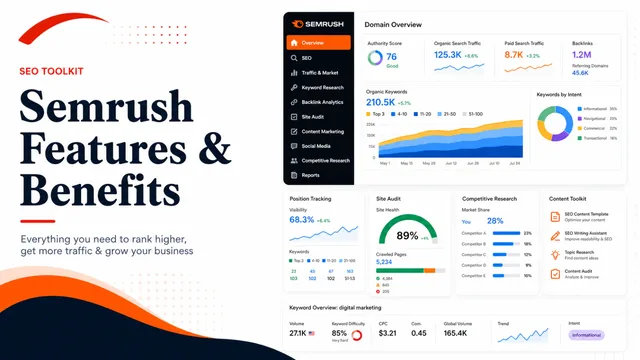
Direct answer: Semrush combines keyword research, competitor analysis, site auditing, rank tracking, backlink research, content workflows, and reporting in a broad digital marketing toolkit.
Its value is strongest when several teams can use the same research and reporting environment. Buyers with one narrow SEO task should compare the cost with more focused tools.
What matters most
Decision area
What to verify
Keyword and competitor discovery
Test this area with a representative workflow, current official documentation, and the plan limits that apply to your use case.
Technical site auditing
Test this area with a representative workflow, current official documentation, and the plan limits that apply to your use case.
Position tracking
Test this area with a representative workflow, current official documentation, and the plan limits that apply to your use case.
Backlink analysis
Test this area with a representative workflow, current official documentation, and the plan limits that apply to your use case.
Content and reporting workflows
Test this area with a representative workflow, current official documentation, and the plan limits that apply to your use case.
Where Semrush fits
Semrush is designed for software buyers comparing practical marketing tools. Its stated role is Useful software for online businesses. Verify that positioning against a real workflow rather than relying on a feature checklist alone.
A practical way to evaluate it
List the Semrush toolsets the team will use weekly.
Test one real domain and competitor set.
Check project, keyword, crawl, and user limits.
Review export and client-report needs.
Compare the usable plan with a focused SEO alternative.
Common mistakes to avoid
Paying for breadth the team will not use
Treating estimates as first-party analytics
Missing plan limits that affect agencies or multiple sites
Evidence to collect before buying software
A completed end-to-end test using representative data and user roles.
The first plan that includes the required limits, integrations, permissions, and support.
A 12-month estimate that includes add-ons, implementation, migration, and likely growth.
An export or exit path for critical customer, content, and reporting data.
Final takeaway
Use this topic to narrow the buying decision, not to justify a tool prematurely. The right next step is a small proof using real inputs, a clearly defined success measure, and one credible alternative for comparison.