

Choosing the right platform is key to building your online presence. Systeme.io and WordPress serve different needs—Systeme.io is an all-in-one marketing platform that simplifies website creation, email marketing, and sales funnels, making it ideal for entrepreneurs looking for an easy-to-use solution.
WordPress, on the other hand, is a highly flexible content management system (CMS) known for its customization options, making it a top choice for bloggers and developers. Systeme.io is rated 4.8/5 for overall user satisfaction, making it a highly preferred option for ease of use. Your choice depends on whether you prioritize simplicity or customization.
Disclaimer: This article is based on publicly available information. Please verify pricing and features on the official websites, as updates may occur.
Table of Contents
Systeme.io vs WordPress: Quick & Simple Comparison
| Feature | Systeme.io | WordPress |
| Ease of Use | Beginner-friendly; intuitive interface with minimal learning curve. | Moderate to advanced; requires familiarity with plugins and themes. |
| Onboarding | Guided setup with tutorials and support. | Community-driven resources; setup assistance depends on hosting provider. |
| Sales Funnels | Built-in funnel creation and management tools. | Requires third-party plugins like WooCommerce or specialized themes. |
| Marketing Automation | Integrated email marketing, automation workflows, and affiliate management. | Relies on plugins such as Mailchimp or HubSpot for similar functionalities. |
| CRM & Lead Management | Native tools for contact management and segmentation. | Dependent on external plugins like WP ERP. |
| Membership & Courses | Built-in course hosting and membership site capabilities. | Achievable through plugins like MemberPress or LearnDash. |
| Webinars | Supports webinar hosting within the platform. | Requires integration with external services like Zoom or WebinarJam. |
| Landing Pages | Drag-and-drop builder with customizable templates. | Wide range of themes and page builders like Elementor or Beaver Builder. |
| Integrations | Limited to essential third-party services; focuses on native functionality. | Extensive library of plugins and integrations available. |
| Customer Support | Dedicated support team with responsive assistance. | Community forums, documentation, and support dependent on hosting service. |
| Pricing | Free plan available; paid plans start at $27/month. | Open-source and free; costs arise from hosting, premium themes, and plugins. |
| Free Trial | Free plan available with access to core features. | Not applicable; free to use with optional paid components. |
| Best For | Entrepreneurs seeking an all-in-one solution for online business management. | Users requiring a highly customizable website with extensive plugin options. |
What is Systeme.io?

Systeme.io is a comprehensive platform designed to simplify the process of launching, managing, and growing an online business. It integrates various tools such as sales funnels, email marketing, membership site creation, and webinar hosting into a single, user-friendly interface. Launched with the goal of providing entrepreneurs with an affordable and efficient solution, Systeme.io has gained popularity among users who prefer an all-in-one system over assembling multiple disparate tools.
Who Should Use Systeme.io?
Systeme.io is ideal for:
- Entrepreneurs and Small Business Owners: Those looking to manage sales, marketing, and content delivery within a unified platform.
- Course Creators and Coaches: Individuals aiming to host and sell online courses or membership programs without relying on multiple services.
- Affiliate Marketers: Users who want to leverage built-in affiliate management tools to promote products and track commissions effectively.
- Startups with Limited Technical Expertise: Businesses seeking a straightforward solution that minimizes the need for technical setup and maintenance.
If you desire a streamlined approach to online business management with integrated tools and minimal reliance on third-party services, Systeme.io presents a compelling option.
What is WordPress?
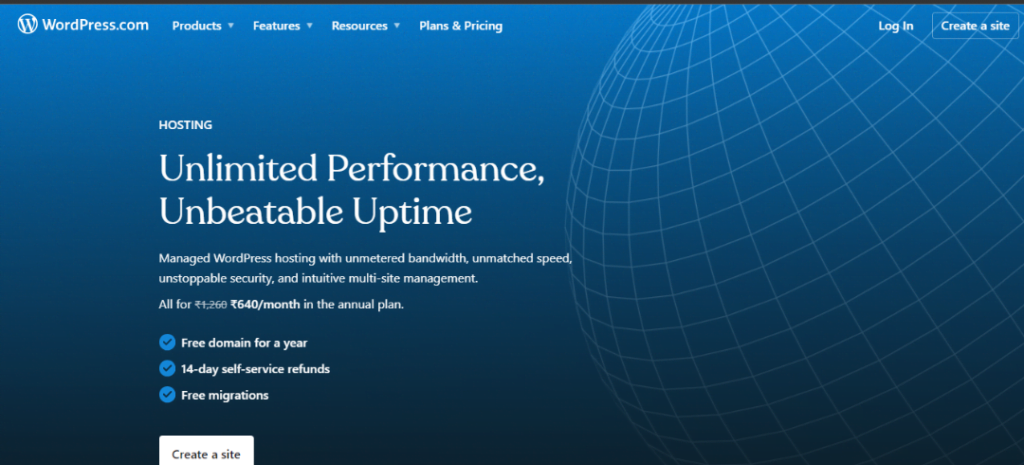
WordPress is a powerful and widely-used open-source content management system that enables users to create and manage websites with ease. It offers unparalleled flexibility through a vast ecosystem of themes and plugins, allowing for extensive customization to meet diverse website needs. Originally developed as a blogging platform, WordPress has evolved into a robust CMS capable of supporting various types of websites, from simple blogs to complex e-commerce stores.
Who Should Use WordPress?
WordPress is suitable for:
- Bloggers and Content Creators: Individuals seeking a flexible platform to publish and manage content with extensive customization options.
- Businesses of All Sizes: Companies requiring a scalable website solution that can grow and adapt to changing needs.
- Developers and Designers: Professionals who want complete control over website design and functionality through coding and customization.
- E-commerce Ventures: Entrepreneurs looking to build online stores using plugins like WooCommerce.
If you prioritize customization, scalability, and access to a vast array of plugins and themes, WordPress offers the flexibility to create a tailored website experience.
Systeme.io vs WordPress: Key Similarities and Differences
While both Systeme.io and WordPress serve as platforms for building an online presence, they differ significantly in their approach and functionalities.
Similarities:
- Website Creation: Both platforms enable users to create and manage websites tailored to their specific needs.
- Content Management: Each offers tools for publishing and organizing content effectively.
- Customization: Both allow for design and functional customization, though the extent and method differ.
- Community Support: Users can access resources and support from active user communities.
Differences:
| Feature | Systeme.io | WordPress |
| Ideal For | Users seeking an integrated, all-in-one business solution. | Users desiring a highly customizable and scalable website platform. |
| Sales Funnels | Native funnel creation and management tools included. | Requires additional plugins for funnel functionality. |
| Marketing Automation | Built-in email marketing and automation features. | Dependent on third-party plugins for similar capabilities. |
| CRM & Lead Management | Integrated tools for managing contacts and leads. | Needs external plugins for CRM functionalities. |
| Membership & Courses | Direct support for hosting courses and managing memberships. | Achievable |
Pricing and Plans
When choosing between Systeme.io and WordPress for your online business, understanding their pricing structures is crucial to determine which platform aligns best with your needs. Let’s delve into the pricing plans of both Systeme.io and WordPress to provide a comprehensive comparison.
Systeme.io Pricing
Systeme.io offers a variety of pricing plans designed to accommodate businesses at different stages of growth:
- Free Plan ($0/month): This plan includes up to 2,000 contacts, unlimited emails, 3 sales funnels, 10 funnel steps, 1 blog with unlimited posts, 1 course with unlimited students, and more. It’s an excellent starting point for newcomers exploring the platform.
- Startup Plan ($27/month): Catering to growing businesses, this plan offers up to 5,000 contacts, unlimited emails, 10 sales funnels, 50 funnel steps, 5 blogs, unlimited blog posts, 5 courses, unlimited students, along with additional features like automation rules and workflows.
- Webinar Plan ($47/month): Ideal for businesses focusing on webinars, this plan provides up to 10,000 contacts, unlimited emails, 50 sales funnels, 300 funnel steps, 20 blogs, unlimited blog posts, 20 courses, unlimited students, and advanced features such as evergreen webinars.
- Unlimited Plan ($97/month): For established businesses requiring extensive resources, this plan grants unlimited contacts, emails, sales funnels, funnel steps, blogs, blog posts, courses, students, and includes all features from lower-tier plans, plus free migration and a one-on-one kickstart coaching session.
Systeme.io also offers discounts on annual subscriptions, providing cost-effective solutions for long-term commitments.
WordPress Pricing
WordPress offers two primary versions, each with its own pricing considerations:
- WordPress.org (Self-Hosted): This open-source platform is free to download and use. However, you’ll incur costs for:
- Hosting: Depending on the provider, shared hosting plans can start as low as $2.91/month, while managed WordPress hosting may range from $5 to $63/month.
- Domain Name: Typically around $10 to $15 per year.
- Themes and Plugins: While many are free, premium themes and plugins can range from $20 to $200, depending on functionality.
- Security and Maintenance: Additional services may be required, potentially adding to the overall cost.
- Hosting: Depending on the provider, shared hosting plans can start as low as $2.91/month, while managed WordPress hosting may range from $5 to $63/month.
- WordPress.com (Hosted): This version offers several plans:
- Free Plan: Basic features with WordPress.com subdomain (e.g., yoursite.wordpress.com).
- Personal Plan ($4/month): Includes a custom domain, removes WordPress.com ads, and offers email support.
- Premium Plan ($8/month): Adds advanced design customization, Google Analytics support, and the ability to monetize your site.
- Business Plan ($25/month): Provides access to custom plugins and themes, 200 GB storage, and advanced SEO tools.
- Commerce Plan ($45/month): Designed for online stores, offering e-commerce features and integrations.
- Enterprise Plan (Starting at $25,000/year): Tailored solutions for large-scale enterprises.
- Free Plan: Basic features with WordPress.com subdomain (e.g., yoursite.wordpress.com).
Comparison Table: Pricing
| Feature | Systeme.io | WordPress |
| Free Plan | Yes, includes up to 2,000 contacts and unlimited emails. | Yes, with basic features and WordPress.com subdomain. |
| Entry-Level Paid Plan | $27/month for 5,000 contacts and unlimited emails. | Personal Plan at $4/month with custom domain and email support. |
| Mid-Tier Plan | $47/month for 10,000 contacts, unlimited emails, includes webinars. | Premium Plan at $8/month with advanced customization and monetization options. |
| Top-Tier Plan | $97/month for unlimited contacts, emails, all features unlocked, plus free migration and coaching. | Business Plan at $25/month with access to custom plugins/themes and advanced SEO tools. Commerce Plan at $45/month for e-commerce features. Enterprise solutions start at $25,000/year. |
| Additional Costs | All-in-one platform; no additional costs for hosting, domains, or plugins. | Self-hosted WordPress.org requires separate hosting, domain, and potential plugin/theme purchases. WordPress.com plans include hosting and domain but may have limitations on plugins and themes based on the plan chosen. |
🌟Winner:
The choice between Systeme.io and WordPress depends on your business model and preferences:
- Systeme.io is ideal for entrepreneurs seeking an all-in-one solution with straightforward pricing that includes hosting, email marketing, sales funnels, and more without additional costs.
- WordPress offers greater flexibility and customization, especially with the self-hosted WordPress.org, but may involve additional expenses for hosting, domains, and premium plugins/themes.
Ease of Use and User Experience
The usability of a platform plays a crucial role in how efficiently you can manage your online business. Whether you are a beginner or an experienced marketer, the ease of navigating the platform impacts productivity and the learning curve.
Systeme.io
Systeme.io is designed as an all-in-one platform, making it highly intuitive and beginner-friendly. The dashboard is minimalistic, allowing users to easily access core features like sales funnels, email marketing, course creation, and automation. The drag-and-drop builder simplifies website and funnel design, making it possible for users without technical expertise to build professional pages.
Systeme.io also offers step-by-step tutorials and video guides, ensuring users can quickly learn the platform. Since everything is built into a single ecosystem, users don’t have to worry about managing multiple plugins or external tools.
However, while Systeme.io is straightforward for beginners, users who are accustomed to highly customizable platforms like WordPress may feel limited in design flexibility.
WordPress
WordPress, in contrast, is known for its vast customization options and flexibility. However, it comes with a steeper learning curve. Unlike Systeme.io, WordPress does not provide a built-in website builder. Instead, users must choose a theme and install plugins (such as Elementor, Divi, or WPBakery) to create custom layouts.
The interface can feel overwhelming for beginners, as managing themes, plugins, hosting, and security requires some technical knowledge. While WordPress does offer extensive documentation and a large community for support, new users may require time to familiarize themselves with the platform.
For experienced users, WordPress provides unparalleled flexibility, allowing them to create any type of website or online business model, from blogs and membership sites to eCommerce stores.
Comparison Table: Ease of Use and User Experience
| Feature | Systeme.io | WordPress |
| Ease of Use | Very beginner-friendly with a straightforward interface ✅ | Requires technical knowledge to set up and manage ❌ |
| Website Builder | Built-in drag-and-drop editor ✅ | Requires external plugins for customization ❌ |
| Learning Curve | Low; step-by-step guides available ✅ | High; users need to learn about hosting, themes, and plugins ❌ |
| Customization | Limited but streamlined for business needs ❌ | Fully customizable with thousands of themes and plugins ✅ |
| Maintenance | Fully managed; no need for security or updates ✅ | Requires regular updates, backups, and security management ❌ |
🌟 Winner: Systeme.io – If you’re looking for an easy-to-use platform that allows you to quickly build and manage an online business, Systeme.io is the better choice. However, if you need extensive customization and don’t mind a steeper learning curve, WordPress is a great option.
Website and Landing Page Building Capabilities
Having a powerful website and landing page builder is essential for entrepreneurs who want to create sales funnels, capture leads, and convert visitors into customers.
Systeme.io
Systeme.io offers an intuitive drag-and-drop page builder that allows users to create high-converting landing pages, sales pages, and full websites without any coding knowledge. The platform provides pre-designed templates optimized for conversions, making it easier to set up a professional-looking website quickly.
All pages created within Systeme.io are fully mobile-responsive, ensuring they look great on all devices. Additionally, since Systeme.io is an all-in-one platform, its page builder seamlessly integrates with its built-in email marketing, automation, and funnel-building tools.
However, compared to WordPress, Systeme.io has fewer customization options. While it provides all the essential elements needed for sales and marketing, users who prefer more design freedom may find the builder somewhat restrictive.
WordPress
WordPress offers the most flexible website-building experience, but it requires external page builders or coding knowledge. Users can choose from thousands of free and premium themes, allowing for extensive design customization.
Popular page builders like Elementor, Divi, and WPBakery enable users to create custom designs with drag-and-drop functionality. These tools provide advanced styling options, animations, and CSS control, making WordPress a preferred choice for designers and developers who want complete creative freedom.
However, since WordPress requires third-party plugins for building sales funnels or integrating marketing automation, it can be challenging to maintain a streamlined workflow. Additionally, users must ensure their chosen theme and plugins are compatible and updated regularly.
Comparison Table: Website & Landing Page Building
| Feature | Systeme.io | WordPress |
| Page Builder | Built-in drag-and-drop builder ✅ | Requires third-party plugins like Elementor or Divi ❌ |
| Templates | Pre-designed, conversion-optimized templates ✅ | Thousands of customizable themes available ✅ |
| Customization | Basic design flexibility ❌ | Fully customizable with advanced styling options ✅ |
| Responsiveness | Mobile-optimized automatically ✅ | Depends on the theme and page builder used ❌ |
| Ease of Setup | Simple and requires no technical skills ✅ | Requires installation of themes and plugins ❌ |
🌟 Winner: WordPress – If you need complete design freedom, WordPress is the best choice. However, for users who prefer a simpler, hassle-free website-building experience, Systeme.io is the better option.
Marketing and Automation Features
Effective marketing tools and automation capabilities can significantly impact the efficiency and success of your online business.
Systeme.io
Systeme.io is built specifically for online businesses, offering a range of built-in marketing and automation tools, including:
- Email Marketing – Send unlimited emails, create automated sequences, and segment your audience.
- Sales Funnels – Easily build sales funnels to guide customers through the buying process.
- Affiliate Marketing – Run an affiliate program to encourage others to promote your products.
- Webinars – Host evergreen and live webinars to engage with your audience.
- Automation Rules – Automate tasks such as tagging subscribers, sending follow-ups, and triggering actions based on user behavior.
Since Systeme.io provides all these features within a single platform, users don’t need to rely on multiple third-party tools. This streamlined approach helps save both time and money.
WordPress
WordPress does not offer built-in marketing tools. Instead, users must integrate third-party plugins such as:
- Mailchimp, ConvertKit, or ActiveCampaign for email marketing.
- ClickFunnels or Leadpages for sales funnels.
- AffiliateWP for managing affiliate programs.
- Zoom or WebinarPress for hosting webinars.
While WordPress allows for deeper customization by integrating with various marketing tools, managing multiple plugins can be complicated and may lead to compatibility issues. Additionally, premium plugins often come with additional costs, increasing the total investment.
Comparison Table: Marketing & Automation
| Feature | Systeme.io | WordPress |
| Email Marketing | Built-in, unlimited emails ✅ | Requires third-party plugins ❌ |
| Sales Funnels | Fully integrated ✅ | Requires ClickFunnels or similar tools ❌ |
| Affiliate Marketing | Built-in affiliate management ✅ | Requires AffiliateWP or another plugin ❌ |
| Webinars | Built-in webinar hosting ✅ | Requires external tools like Zoom or WebinarPress ❌ |
| Automation | Native automation tools for triggers and workflows ✅ | Requires third-party marketing automation tools ❌ |
🌟 Winner: Systeme.io – Systeme.io provides all essential marketing tools within a single platform, making it a more efficient and cost-effective choice. WordPress is better suited for those who prefer using specialized third-party tools, but it requires more effort to integrate and manage them effectively.
SEO (Search Engine Optimization) Capabilities
Search engine optimization (SEO) is crucial for driving organic traffic to your website. A platform with strong SEO features can help improve your website’s visibility on search engines like Google.
Systeme.io
Systeme.io provides basic SEO features, including:
- Meta titles and descriptions – Customize page titles and descriptions to improve search rankings.
- URL customization – Modify URLs to make them SEO-friendly.
- Blogging functionality – Allows users to create blog posts, which can help improve search rankings over time.
While Systeme.io covers essential SEO elements, it lacks advanced optimization tools like schema markup, deep keyword analysis, and plugin support for technical SEO improvements. Additionally, users have limited control over site speed optimization and structured data implementation, which can impact search rankings.
WordPress
WordPress is one of the best platforms for SEO, offering extensive customization and access to powerful SEO plugins such as:
- Yoast SEO – Provides in-depth SEO analysis, keyword optimization, XML sitemaps, and readability checks.
- Rank Math – Offers advanced SEO features, including schema markup, keyword tracking, and AI-powered optimization.
- SEOPress – An all-in-one SEO solution with detailed reporting and analytics.
WordPress also allows complete control over site speed, image optimization, and content structure, all of which play a vital role in improving search rankings. However, optimizing a WordPress site for SEO requires technical knowledge and ongoing maintenance to ensure everything runs smoothly.
Comparison Table: SEO Features
| Feature | Systeme.io | WordPress |
| Basic SEO (Meta Titles, Descriptions, URLs) | Available ✅ | Available ✅ |
| Blogging Functionality | Included but limited ✅ | Full-featured blogging platform ✅ |
| Advanced SEO Plugins | Not available ❌ | Supports Yoast SEO, Rank Math, SEOPress ✅ |
| Schema Markup & Rich Snippets | Not available ❌ | Customizable via plugins ✅ |
| Site Speed Optimization | Basic optimization ❌ | Full control with caching and performance plugins ✅ |
🌟 Winner: WordPress – WordPress offers superior SEO capabilities due to its flexibility, advanced plugins, and extensive customization options. If SEO is a top priority for your business, WordPress is the better choice. However, if you only need basic SEO without complex optimization, Systeme.io is sufficient.
eCommerce and Payment Processing
If you plan to sell products, courses, or services online, having reliable eCommerce functionality is essential. Let’s compare how Systeme.io and WordPress handle eCommerce and payments.
Systeme.io
Systeme.io is built for online businesses and offers built-in eCommerce features, including:
- One-click upsells and order bumps – Increase revenue with optimized sales funnels.
- Payment gateway integrations – Supports Stripe, PayPal, and manual bank transfers for accepting payments.
- Subscription and membership features – Sell courses, digital products, and memberships without needing external tools.
- Affiliate program management – Create and manage an affiliate program to drive sales.
Since Systeme.io includes native sales funnel tools, businesses can seamlessly guide customers from landing pages to checkout without needing third-party plugins. However, Systeme.io does not support physical product inventory management, making it better suited for digital products, coaching services, and memberships rather than traditional eCommerce stores.
WordPress
WordPress does not have built-in eCommerce functionality but supports WooCommerce, the world’s most popular eCommerce plugin. With WooCommerce, users can:
- Sell both physical and digital products
- Offer multiple payment options (credit cards, PayPal, Stripe, Apple Pay, etc.)
- Manage inventory and shipping
- Integrate with thousands of extensions for advanced features like dropshipping, print-on-demand, and multi-vendor marketplaces
WooCommerce is highly customizable, but setting it up requires technical knowledge. Users must install and configure additional plugins for features like cart abandonment recovery, one-click upsells, and advanced analytics. This makes WordPress a better fit for businesses that require a full-fledged online store with physical products.
Comparison Table: eCommerce & Payments
| Feature | Systeme.io | WordPress (WooCommerce) |
| Built-in Sales Funnels | Yes ✅ | No, requires plugins ❌ |
| Payment Gateway Support | Stripe, PayPal, manual transfers ✅ | Multiple options, including Stripe, PayPal, Apple Pay ✅ |
| Selling Physical Products | No ❌ | Yes ✅ |
| Membership & Subscription Management | Included ✅ | Requires plugins like MemberPress ✅ |
| Affiliate Program Management | Built-in ✅ | Requires AffiliateWP or other plugins ✅ |
| Customization & Scalability | Limited to digital products ❌ | Highly customizable for any type of eCommerce ✅ |
🌟 Winner: WordPress (WooCommerce) – If you’re selling physical products or need advanced eCommerce features, WordPress with WooCommerce is the better option. However, if your focus is selling digital products, memberships, or courses, Systeme.io provides a simpler and more streamlined solution without requiring additional plugins.
Pros and Cons of Systeme.io
Pros
✅ Beginner-Friendly & Easy to Use
Systeme.io provides a straightforward, drag-and-drop interface that simplifies the process of creating sales funnels, websites, and email sequences. Unlike WordPress, which requires setup, hosting, and plugin management, Systeme.io is an all-in-one platform where everything is ready to use without technical expertise.
✅ Affordable Pricing with a Free Plan
Systeme.io stands out with its free plan, which includes essential marketing tools like email automation, funnel creation, and online course hosting. This makes it an excellent option for solopreneurs and small businesses looking for a low-cost solution.
✅ All-in-One Marketing Solution
Instead of relying on multiple third-party tools, Systeme.io offers everything in one place—sales funnels, email marketing, membership sites, automation, and even an affiliate program manager. This saves time and reduces the hassle of integrating separate tools.
✅ Built-In Affiliate Program Management
Systeme.io allows users to create and manage an affiliate program directly from the platform, making it easier to incentivize referrals and increase sales. In contrast, WordPress requires additional plugins like AffiliateWP to set up an affiliate system.
✅ Fast and Simple Sales Funnel Creation
With pre-built funnel templates and an intuitive editor, Systeme.io simplifies the process of launching high-converting sales funnels. Unlike WordPress, which requires third-party plugins (like ClickFunnels or Elementor) to build funnels, Systeme.io offers them natively.
✅ Unlimited Emails on All Plans
Unlike email marketing services that charge based on the number of emails sent, Systeme.io allows users to send unlimited emails, even on lower-tier plans. WordPress users need external services like Mailchimp, ConvertKit, or ActiveCampaign for email marketing.
✅ No Additional Transaction Fees
Systeme.io does not charge extra transaction fees when selling digital products, courses, or memberships. WordPress, however, depends on WooCommerce, Stripe, or PayPal, which may have their own transaction fees.
Cons
❌ Limited Advanced Customization
While Systeme.io is user-friendly, it lacks the deep customization options available in WordPress. Users have fewer design choices and less flexibility in modifying the look and feel of their sites compared to WordPress themes and page builders like Elementor or Divi.
❌ Basic Course Features
Systeme.io includes course hosting, but it lacks advanced features like progress tracking, certificates, quizzes, and student analytics that dedicated Learning Management Systems (LMS) on WordPress (e.g., LearnDash) provide.
❌ Limited Third-Party Integrations
Since Systeme.io is an all-in-one platform, it offers fewer third-party integrations than WordPress. If you rely on external tools like CRMs, analytics platforms, or payment gateways outside of Stripe and PayPal, you might find Systeme.io limiting.
❌ No Mobile App
Systeme.io does not have a dedicated mobile app, making it less convenient for users who want to manage their business on the go. WordPress has mobile-friendly management options, especially through plugins and hosting providers.
Pros and Cons of WordPress
Pros
✅ Unmatched Customization & Flexibility
WordPress is an open-source platform, allowing users to create virtually any type of website. With thousands of themes and plugins available, businesses can fully customize their sites according to their brand identity.
✅ Powerful SEO Capabilities
WordPress is widely recognized for its superior SEO capabilities. Plugins like Yoast SEO and Rank Math help optimize websites for search engines, providing keyword suggestions, meta descriptions, and advanced indexing features that Systeme.io lacks.
✅ Huge Selection of Plugins & Integrations
With over 60,000 plugins available, WordPress allows users to extend functionality in ways that Systeme.io cannot. Whether it’s advanced analytics, membership site features, or eCommerce enhancements, there’s a plugin for almost every need.
✅ Best for Blogging & Content Marketing
WordPress was originally built as a blogging platform, making it the best choice for content-heavy websites. It supports categories, tags, custom post types, and a vast range of formatting options that Systeme.io’s basic blogging tools cannot match.
✅ Strong Community & Developer Support
With a global community of developers and support forums, WordPress users can easily find tutorials, troubleshooting guides, and third-party support. Systeme.io has a smaller user base, limiting the amount of available troubleshooting resources.
✅ Ideal for Large-Scale Websites & eCommerce
For businesses needing a fully functional online store, WordPress + WooCommerce offers better eCommerce flexibility. You can sell physical and digital products, manage inventory, set up subscriptions, and use multiple payment gateways—something Systeme.io is not designed for.
✅ Mobile App for Easy Management
WordPress offers a mobile app that lets users create posts, manage content, and monitor website traffic from their smartphones, making it more convenient for on-the-go business owners.
Cons
❌ Steeper Learning Curve
Unlike Systeme.io’s beginner-friendly interface, WordPress requires users to learn how to install themes, configure plugins, and manage hosting. This learning curve can be intimidating for non-technical users.
❌ Requires Hosting & Ongoing Maintenance
With WordPress, users must handle hosting, domain registration, security updates, and backups. Systeme.io, on the other hand, is fully managed and eliminates the need for these technical tasks.
❌ Can Get Expensive with Plugins & Add-ons
While WordPress itself is free, premium themes, plugins, and hosting can add up. Features like advanced SEO, security, and automation often require paid plugins, whereas Systeme.io includes many marketing tools at no additional cost.
❌ No Built-In Sales Funnel Builder
WordPress does not have a built-in sales funnel system. Users need third-party tools like ClickFunnels, Elementor, or Thrive Architect to build optimized sales funnels, which adds complexity and potential costs.
Which One Should You Choose?
💡 Go with Systeme.io if:
✅ You want an all-in-one marketing solution with built-in sales funnels, email automation, and course hosting.
✅ You’re a beginner or solopreneur who prefers an easy-to-use platform without dealing with hosting, plugins, or technical setup.
✅ You need affordable pricing with a free plan and no hidden costs.
✅ You plan to sell digital products, courses, or memberships and don’t need a full-fledged eCommerce store.
✅ You want built-in affiliate marketing tools without additional plugins.
💡 Go with WordPress if:
✅ You need full customization and control over your website’s design, branding, and functionality.
✅ You prioritize SEO and blogging, as WordPress offers superior content marketing and ranking capabilities.
✅ You require advanced eCommerce features, including physical product sales, inventory management, and multiple payment gateways.
✅ You want access to thousands of plugins and integrations for expanding your website’s capabilities.
✅ You’re willing to handle hosting, security, and maintenance or hire a developer to manage your site.
Final Thoughts
Systeme.io is a fantastic choice for beginners, small business owners, and digital product sellers who want an all-in-one marketing platform without the hassle of managing plugins or hosting. It’s a cost-effective, easy-to-use solution for entrepreneurs looking to scale their businesses with minimal technical effort.
WordPress, on the other hand, is the ultimate choice for flexibility, customization, and long-term scalability. If you need advanced SEO, full control over your website, and robust eCommerce capabilities, WordPress is the superior option—but it comes with a learning curve and additional costs.
🚀 Which platform fits your business best? If you’re unsure, consider trying Systeme.io’s free plan or setting up a WordPress demo site to explore your options!erves its audience, and your decision should support your long-term goals and operational style.
Frequently Asked Questions
1. Can I migrate my site from WordPress to Systeme.io or vice versa?
Yes, migration is possible, though the processes are technical. Consider seeking professional help for a smooth transition.
2. Is Systeme.io better for online courses compared to WordPress?
Systeme.io offers integrated tools specifically for course creators, potentially making it a more streamlined option.
3. Do I own my content on Systeme.io and WordPress?
Absolutely. Both platforms allow complete ownership of your content.
4. Can I integrate advanced SEO tools with Systeme.io like I can with WordPress?
Systeme.io has basic SEO settings, while WordPress allows comprehensive SEO tool integrations.
5. Which one is better for e-commerce – Systeme.io or WordPress?
WordPress, with plugins like WooCommerce, offers extensive e-commerce functionalities. Systeme.io is ideal for simpler, straightforward e-commerce needs.

Srishti Gaur is an accomplished SEO Associate with a strong background in content creation and software technology. With a knack for crafting strategies that drive traffic and improve search rankings, she combines her expertise in SEO with a deep understanding of tech tools and platforms. Passionate about bridging the gap between technology and impactful content, Srishti helps businesses grow their online presence and achieve measurable results.