

Ever wondered whether Systeme.io or Divi is the right tool for your business? Both platforms help online entrepreneurs, but they serve different purposes—one being an all-in-one marketing platform, while the other is a powerful WordPress theme with a visual page builder.
Did you know that Systeme.io is highly rated, with 4.8/5 for overall user satisfaction and 4.7/5 for ease of use, making it a top choice for entrepreneurs looking for an intuitive, all-in-one platform.
Having explored both platforms extensively, I’ll break down their differences to help you determine which one aligns with your goals.
Disclaimer: This article is based on publicly available information. Please verify pricing and features on the official websites, as updates may occur.
Table of Contents
Systeme.io vs Divi: Quick Comparison
| Feature | Systeme.io | Divi |
| Ease of Use | Simple, all-in-one platform | User-friendly visual builder |
| Sales Funnels | Built-in funnel builder | Requires third-party plugins |
| Email Marketing | Native email marketing tools with automation | No built-in email marketing features |
| Membership Sites | Fully integrated membership features | Needs additional plugins |
| Course Creation | Course hosting included | Requires third-party plugins |
| Webinars | Supports evergreen webinars | No webinar support |
| Landing Pages | Drag-and-drop page builder | Advanced customization with Divi Builder |
| Integrations | Payment gateways and third-party apps | Extensive WordPress plugin support |
| Customer Support | 24/7 email support | Documentation and community forum |
| Pricing | Free plan available; paid plans start at $27/month | Annual membership at $89/year or lifetime access for $249 |
What is Systeme.io?

Systeme.io is an all-in-one marketing platform designed to simplify online business operations. It combines sales funnel creation, email marketing, membership site management, and course hosting—all within a single system.
It’s a great solution for entrepreneurs who want to streamline their marketing and automation without relying on multiple third-party tools.
Who Should Use Systeme.io?
Systeme.io is ideal for:
✅ Entrepreneurs and small business owners looking for an all-in-one solution
✅ Course creators and coaches selling online courses
✅ Businesses building and managing sales funnels
✅ Marketers who need email automation and affiliate management
Waht is Divi?
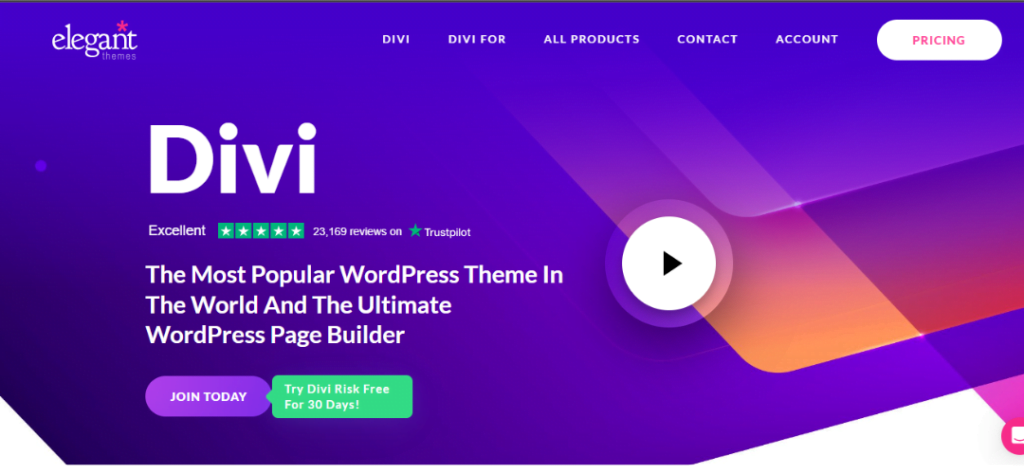
Divi, developed by Elegant Themes, is a WordPress theme and page builder that allows users to design and customize websites using a visual drag-and-drop editor.
It provides a variety of pre-made templates and design elements, making it one of the most popular tools for website design and customization.
Who Should Use Divi?
Divi is perfect for:
✅ Web designers and developers looking for a flexible WordPress theme
✅ Businesses and individuals wanting to create stunning websites without coding
✅ Users who prefer a visual editing experience with extensive design options
✅ Anyone building a blog, portfolio, or e-commerce website
Systeme.io vs Divi: Key Similarities and Differences
While both platforms provide tools for building online businesses, they differ significantly in their approach and functionalities.
Similarities
✅ Both offer drag-and-drop editors to simplify the page-building process.
✅ Each provides customizable templates to help users design their websites.
✅ Both integrate with third-party tools to expand their functionalities.
Differences
| Feature | Systeme.io | Divi |
| Core Functionality | All-in-one marketing platform with built-in tools for sales funnels, email marketing, and course hosting | WordPress theme with a visual page builder |
| Sales Funnels | Fully integrated funnel builder | Requires external plugins for funnels |
| Email Marketing | Built-in email marketing & automation | No built-in email features |
| Membership Sites | Directly supports membership site creation | Needs plugins for membership functionality |
| Course Hosting | Integrated tools for course creation | Relies on additional plugins |
| Webinar Support | Supports evergreen webinars | No built-in webinar support |
| Pricing Structure | Free plan available; paid plans start at $27/month | Annual or lifetime payment required |
Pricing and Plans
When evaluating website building platforms, understanding their pricing structures is essential to determine which offers the best value for your business. Let’s explore the pricing plans of Systeme.io and Divi in detail.
Systeme.io Pricing
Systeme.io offers a range of pricing plans to accommodate businesses at different stages:
- Free Plan ($0/month):
This plan includes up to 2,000 contacts, unlimited emails, 3 sales funnels with 10 steps each, 1 blog with unlimited posts, 1 course with unlimited students, and more. - Startup Plan ($27/month):
Offers up to 5,000 contacts, unlimited emails, 10 sales funnels with 50 steps each, 5 blogs with unlimited posts, 5 courses with unlimited students, and additional features like automation rules and workflows. - Webinar Plan ($47/month):
Provides up to 10,000 contacts, unlimited emails, 50 sales funnels with 300 steps each, 20 blogs with unlimited posts, 20 courses with unlimited students, and advanced features such as evergreen webinars. - Unlimited Plan ($97/month):
Grants unlimited contacts, emails, sales funnels, sales funnel steps, blogs, blog posts, courses, students, and all features included in lower-tier plans, plus free migration and a 1-on-1 kickstart coaching session.
Systeme.io also offers discounts on annual subscriptions, making it a cost-effective solution for long-term commitments.
Divi Pricing
Divi, developed by Elegant Themes, offers two main pricing options:
- Yearly Access ($89/year):
This plan includes access to Divi, Extra, Bloom, and Monarch, with unlimited website usage, product updates, and premium support for one year. - Lifetime Access ($249 one-time payment):
Provides lifetime access to all Elegant Themes products, including Divi, with unlimited website usage, lifetime updates, and premium support.
Both plans come with a 30-day money-back guarantee, allowing you to try Divi risk-free.
Comparison Table: Pricing
| Feature | Systeme.io | Divi |
| Free Plan | Yes, includes up to 2,000 contacts and unlimited emails | No free plan available |
| Entry-Level Plan | $27/month for 5,000 contacts and unlimited emails | $89/year for access to all products with unlimited website usage |
| Mid-Tier Plan | $47/month for 10,000 contacts and unlimited emails, includes webinars | Not applicable |
| Top-Tier Plan | $97/month for unlimited contacts and emails, all features unlocked | $249 one-time payment for lifetime access to all products |
| Additional Features | All plans include sales funnels, blogs, courses, automation, and more without extra cost | Includes themes and plugins like Extra, Bloom, and Monarch |
🌟 Winner:
The choice between Systeme.io and Divi depends on your business needs:
- Systeme.io is ideal for businesses seeking an all-in-one marketing solution with various pricing tiers to match growth stages.
- Divi is perfect for those who prefer a one-time investment for a robust WordPress theme and page builder with lifetime access, eliminating ongoing subscription costs.
User Experience & Ease of Use
A great platform should be easy to use, whether you’re a beginner or an experienced marketer.
Systeme.io
Systeme.io is designed for entrepreneurs and business owners looking for an all-in-one marketing platform. The interface is clean and simple, allowing users to navigate through different tools like sales funnels, email automation, and course hosting without much effort.
One of its standout features is the drag-and-drop editor, which makes it easy to create landing pages and sales funnels. Even those with no technical experience can quickly set up a website, run an email campaign, or sell online courses. Systeme.io also provides onboarding tutorials and a knowledge base to help users get started.
However, because it is an all-in-one platform with multiple features, new users may experience a slight learning curve when exploring advanced functionalities like automation rules and webinar setup.
Divi
Divi is a premium WordPress theme and page builder known for its highly customizable design capabilities. Unlike Systeme.io, which includes website hosting, Divi requires users to have a separate WordPress installation and hosting plan.
The Divi Builder is a powerful drag-and-drop editor that allows users to create stunning websites with advanced customization. While it offers a wide range of design options, beginners may find it overwhelming at first. However, once users become familiar with its interface, they can create visually appealing websites without any coding knowledge.
Divi also includes hundreds of pre-designed templates, which makes it easier for users to build professional websites quickly. But because it operates within WordPress, users may need additional plugins for functionalities like email marketing, automation, and eCommerce.
Comparison Table: User Experience
| Feature | Systeme.io | Divi |
| Ease of Use | Beginner-friendly, simple to navigate ✅ | Advanced customization, but a learning curve ❌ |
| Dashboard | Minimalist and efficient ✅ | Modern and highly customizable ✅ |
| Learning Curve | Lower, ideal for beginners ✅ | Higher due to extensive customization ❌ |
| Onboarding | Tutorials and step-by-step guides ✅ | Documentation and community support ✅ |
🌟 Winner: Systeme.io
If you prefer a simple, beginner-friendly platform with built-in tools, Systeme.io is the better choice. However, if design flexibility is your priority and you don’t mind a learning curve, Divi is worth considering.
Website & Page Building Capabilities
A website builder should offer flexibility, ease of use, and powerful design features.
Systeme.io
Systeme.io includes a built-in website and landing page builder with drag-and-drop functionality. It allows users to create complete websites, sales pages, and membership portals without needing WordPress or third-party tools.
Some key website-building features include:
- Pre-designed templates for landing pages, sales funnels, and courses
- Mobile-responsive designs that automatically adjust to different screen sizes
- SEO optimization tools for better search engine visibility
- Built-in hosting so users don’t need external hosting providers
While Systeme.io is great for business websites and landing pages, it does not offer as many design customization options as WordPress-based builders like Divi.
Divi
Divi is one of the most powerful WordPress page builders, offering advanced design features that give users full control over their website’s appearance.
Some standout features include:
- Real-time visual editing with a front-end drag-and-drop builder
- Hundreds of templates and design elements
- Advanced CSS control for users who want custom designs
- Animations, hover effects, and custom fonts
- Integration with WooCommerce for eCommerce websites
However, because Divi is a WordPress theme, users must set up their own hosting, install WordPress, and manage site maintenance (such as plugin updates and security).
Comparison Table: Website Building
| Feature | Systeme.io | Divi |
| Drag-and-Drop Builder | Yes, simple and intuitive ✅ | Yes, highly advanced ✅ |
| Pre-Designed Templates | Yes, built-in landing pages ✅ | Yes, hundreds of themes and layouts ✅ |
| Customization Options | Basic customization ✅ | Extensive customization with CSS and effects ✅ |
| Hosting Included | Yes, built-in hosting ✅ | No, requires external hosting ❌ |
| SEO Features | Basic SEO tools ✅ | Advanced SEO customization ✅ |
🌟 Winner: Divi
If you want complete control over your website’s design, Divi is the better option. However, if you prefer a hassle-free website builder with built-in hosting and business tools, Systeme.io is the better choice.
Sales Funnels & Marketing Automation
A good platform should allow users to build sales funnels and automate marketing processes to increase conversions.
Systeme.io
Systeme.io is designed as a business automation platform, and sales funnels are one of its core features. Users can create complete funnels with:
- Pre-built funnel templates for lead generation, sales, and webinars
- Drag-and-drop funnel editor for quick customization
- A/B testing to optimize conversions
- Built-in checkout pages and order bumps to increase sales
- Email automation and autoresponders to nurture leads
Because it includes all these features under one platform, users do not need additional tools to manage their funnels.
Divi
Divi, being a WordPress theme, does not include built-in sales funnel functionality. However, users can create funnel-like pages using Divi’s page builder. To fully implement sales funnels, additional plugins like CartFlows or WooFunnels are required. These third-party plugins allow users to:
- Set up multi-step sales funnels
- Create checkout pages and upsells
- Automate follow-up emails (using an email marketing tool)
Since Divi does not have native marketing automation, users must integrate external services like Mailchimp, ActiveCampaign, or ConvertKit to manage email sequences and lead nurturing.
Comparison Table: Sales Funnels & Automation
| Feature | Systeme.io | Divi (with plugins) |
| Pre-built Funnel Templates | Yes, ready-made templates ✅ | No, requires third-party plugins ❌ |
| Drag-and-Drop Funnel Editor | Yes, easy customization ✅ | Yes, but only for page design ✅ |
| Built-in Checkout Pages | Yes, with order bumps and upsells ✅ | No, requires WooCommerce or CartFlows ❌ |
| Email Automation | Yes, included in all plans ✅ | No, needs third-party email marketing ❌ |
🌟 Winner: Systeme.io
For entrepreneurs and marketers looking for an all-in-one solution to create and automate sales funnels, Systeme.io is the clear winner. Divi users will need additional plugins to achieve similar functionality.
Integrations & Third-Party Compatibility
A good platform should seamlessly integrate with other tools and services to enhance its functionality. Whether it’s email marketing software, payment gateways, or CRM tools, the ability to connect with third-party applications can significantly impact the efficiency of your online business.
Systeme.io
Systeme.io is designed as an all-in-one platform, meaning it minimizes the need for third-party integrations. However, it does support integrations with essential services such as:
- Payment Gateways: Stripe and PayPal for processing transactions
- Email Marketing & CRM: While Systeme.io has built-in email automation, users can integrate with external tools like Mailchimp, AWeber, and ActiveCampaign
- Webinar Platforms: Integration with Zoom and other webinar tools
- Zapier Integration: Allows users to connect with hundreds of third-party applications
Although Systeme.io’s integration options are not as extensive as other platforms, its built-in features reduce the need for additional software.
Divi
Since Divi is a WordPress theme and page builder, its integration capabilities depend on the plugins and tools added to the WordPress ecosystem. Some key integrations include:
- E-Commerce: Seamless integration with WooCommerce for online stores
- Email Marketing: Works with ConvertKit, Mailchimp, ActiveCampaign, and more
- SEO Plugins: Compatible with Yoast SEO and Rank Math for better search engine optimization
- Payment Processors: Uses WooCommerce, Stripe, and PayPal through WordPress plugins
- Membership & LMS: Compatible with MemberPress, LearnDash, and LifterLMS for creating online courses
Divi has an advantage in terms of flexibility, as WordPress offers thousands of plugins to extend its functionality. However, users may need multiple plugins to achieve the same features that Systeme.io provides natively.
Comparison Table: Integrations
| Feature | Systeme.io | Divi |
| Payment Gateway Support | Stripe, PayPal ✅ | Stripe, PayPal, WooCommerce ✅ |
| Email Marketing | Built-in system + Mailchimp, AWeber, Zapier ✅ | Mailchimp, ConvertKit, ActiveCampaign ✅ |
| Webinar Integration | Limited to Zoom and a few others ❌ | Requires third-party webinar plugins ❌ |
| SEO Features | Basic built-in SEO ✅ | Advanced SEO plugins like Yoast ✅ |
| Automation Tools | Zapier and built-in automation ✅ | Requires external automation plugins ❌ |
🌟 Winner: Divi
Divi offers more flexibility in integrations due to WordPress’s vast plugin library. If you need highly customizable integrations, Divi is a better choice. However, Systeme.io provides enough essential integrations for most online businesses, especially those looking for an all-in-one solution.
Customer Support & Community
Reliable customer support is essential when using any platform, especially if you’re running a business that depends on it. Let’s compare the support options provided by Systeme.io and Divi.
Systeme.io
Systeme.io offers various customer support options to assist users at different levels:
- 24/7 Email Support: Users can reach out to the support team at any time
- Live Chat: Available in paid plans for real-time assistance
- Comprehensive Knowledge Base: Includes articles and tutorials to help users navigate the platform
- Facebook Community: A dedicated group where users can ask questions and exchange ideas
Systeme.io provides direct support and community engagement, making it easy for users to resolve issues quickly.
Divi
Divi provides multiple support channels, though response times may vary depending on the issue:
- Live Chat Support: Available for premium users, but not 24/7
- Help Center: Includes FAQs, documentation, and video tutorials
- Support Tickets: Users can submit tickets for more complex issues
- Divi Community Forum: Active user forums where people share tips and solutions
- Facebook Groups & YouTube Tutorials: Large community with thousands of members helping each other
While Divi offers great support, many users rely on community forums and third-party tutorials rather than direct support from Elegant Themes.
Comparison Table: Customer Support
| Feature | Systeme.io | Divi |
| Live Chat Support | Yes, available in paid plans ✅ | Yes, but not 24/7 ❌ |
| Email Support | Yes, 24/7 support ✅ | Yes, but response times vary ❌ |
| Knowledge Base | Yes, detailed guides ✅ | Yes, video tutorials and documentation ✅ |
| Community Support | Facebook group and forums ✅ | Large WordPress community ✅ |
🌟 Winner: Systeme.io
Systeme.io provides more direct customer support options, including 24/7 email support and live chat. While Divi has a strong community, many users depend on third-party resources rather than official support. If you prefer a platform with responsive customer service, Systeme.io is the better choice.
Pros and Cons of Systeme.io
Pros
✅ Beginner-Friendly & Easy to Use
Systeme.io is designed for simplicity. The platform provides an intuitive drag-and-drop builder that makes it easy to create websites, sales funnels, and email campaigns without requiring coding or design expertise. Even beginners can set up a complete online business in minutes.
✅ All-in-One Marketing Platform
With built-in sales funnels, email marketing, automation, membership sites, course hosting, and an affiliate program, Systeme.io eliminates the need for multiple third-party tools. This makes it a great choice for business owners looking for a streamlined solution.
✅ Affordable Pricing with a Free Plan
Unlike many competitors, Systeme.io offers a completely free plan that includes key features like sales funnels, email marketing, and course creation. Paid plans start at an affordable price, making it an excellent choice for solopreneurs and small businesses.
✅ Unlimited Emails on All Plans
Most marketing platforms limit the number of emails you can send unless you upgrade to a high-tier plan. Systeme.io allows unlimited email sending, even on its entry-level paid plans, which is a significant cost-saving advantage.
✅ No Additional Transaction Fees
Unlike some other platforms that charge extra transaction fees on top of payment processor fees, Systeme.io does not take a cut from your sales. This makes it a budget-friendly option for selling digital products, memberships, or courses.
✅ Built-In Affiliate Program Management
Systeme.io allows you to create and manage an affiliate program for your business. This feature is included in all paid plans, unlike other platforms that require third-party plugins or additional costs for affiliate tracking.
✅ Fast and Simple Sales Funnel Creation
Sales funnels are at the core of Systeme.io’s functionality. The platform provides pre-built funnel templates, making it easy to create high-converting pages for lead generation, product launches, and course sales without needing external tools.
Cons
❌ Limited Advanced Customization
While Systeme.io is beginner-friendly, its customization options are not as flexible as Divi’s. Users looking for highly tailored branding, animations, or advanced design elements may find the platform somewhat restrictive.
❌ Basic Course Features
Although Systeme.io supports course creation, it lacks advanced LMS (Learning Management System) features like quizzes, certificates, and in-depth student progress tracking. Course creators with extensive needs may require a more specialized platform.
❌ Limited Third-Party Integrations
Systeme.io provides built-in tools, reducing the need for integrations. However, its third-party compatibility is somewhat limited compared to Divi, which benefits from the extensive WordPress plugin ecosystem.
❌ No Mobile App for Management
Unlike some competitors, Systeme.io does not have a dedicated mobile app for managing your business on the go. Users must rely on the web version, which may not be as convenient for mobile access.
Pros and Cons of Divi
Pros
✅ Highly Customizable & Flexible Design
Divi is one of the most powerful WordPress page builders, offering unmatched design flexibility. With a visual drag-and-drop editor, users can create stunning websites without coding, making it a great option for web designers and agencies.
✅ One-Time Payment Option
Unlike many website builders that charge monthly or yearly fees, Divi offers a lifetime license for a one-time payment. This can be a cost-effective choice for users who plan to build multiple websites over the long term.
✅ SEO-Friendly Features
Since Divi is built on WordPress, it supports powerful SEO plugins like Yoast SEO and Rank Math. These tools help optimize content for search engines, giving websites a higher chance of ranking well on Google.
✅ Wide Range of Third-Party Plugins
As a WordPress-based platform, Divi benefits from thousands of plugins that expand its capabilities. Whether you need additional email marketing tools, advanced analytics, or CRM integrations, there’s a plugin for almost everything.
✅ Full Control Over Hosting & Domains
With Divi, users can choose their own hosting provider and domain, unlike Systeme.io, which hosts everything on its own platform. This means Divi users have greater flexibility in optimizing site speed, security, and server performance.
✅ Great for E-Commerce with WooCommerce Integration
Divi is fully compatible with WooCommerce, one of the most powerful e-commerce solutions for WordPress. This makes it a great choice for online stores that need more advanced product pages, checkout customization, and inventory management.
Cons
❌ Steep Learning Curve
While Divi is powerful, it has a learning curve, especially for users unfamiliar with WordPress. Beginners may need time to master its customization features and best practices.
❌ Not a Standalone Platform
Unlike Systeme.io, which provides hosting, email marketing, and automation in one place, Divi requires external hosting and plugins to achieve the same functionality. Users must set up and manage multiple tools separately.
❌ No Built-In Sales Funnel Builder
While Divi can be used to create landing pages, it does not have a native sales funnel builder. Users must rely on third-party plugins or manual setups to build funnels, unlike Systeme.io, which provides pre-built templates.
❌ Ongoing Costs for Hosting & Plugins
Even though Divi offers a one-time payment option, users must still pay for hosting, domain registration, and premium plugins separately. Over time, these costs can add up, making it potentially more expensive than Systeme.io for beginners.
Which One Should You Choose?
💡 Go with Systeme.io if:
✅ You need a budget-friendly, all-in-one marketing solution that includes sales funnels, email automation, and course hosting.
✅ You’re a beginner looking for an easy-to-use platform with drag-and-drop tools.
✅ You want built-in affiliate program management without extra costs.
✅ You prefer a free plan or an affordable subscription without paying separately for hosting, email marketing, and automation tools.
💡 Go with Divi if:
✅ You want full control over website customization and hosting.
✅ You are comfortable using WordPress and third-party plugins to expand functionality.
✅ You need a highly customizable page builder for professional web design.
✅ You plan to build multiple websites and prefer a one-time payment for long-term cost savings.
Final Thoughts
Systeme.io and Divi serve different audiences. Systeme.io is best for business owners, marketers, and course creators who need an all-in-one platform without dealing with hosting or third-party integrations. Divi is ideal for designers, agencies, and users who want total creative control over their website but are comfortable managing plugins and hosting separately.
So, which one is right for you? 🚀 It depends on whether you want simplicity and automation (Systeme.io) or full creative control with WordPress (Divi)!
If you’re still unsure, why not try Systeme.io’s free plan or test Divi with a WordPress demo? This way, you can experience both platforms and see which one aligns with your business needs.
Frequently Asked Questions
1. Can I use Divi without any coding experience?
Absolutely! Divi is designed for both professionals and beginners with its intuitive visual editor.
2. Does Systeme.io offer a free trial?
Yes, Systeme.io provides a 14-day free trial, allowing you to explore before committing.
3. Is Divi’s subscription worth the investment?
If you’re a developer or a design enthusiast who regularly builds websites, Divi’s subscription is invaluable.
4. Can I create membership sites on Systeme.io?
Indeed, Systeme.io allows the creation of membership sites, complete with payment integration.
5. Between Systeme.io and Divi, which is better for e-commerce?
Systeme.io is tailored for e-commerce businesses with its integrated sales funnels and checkout solutions, making it the preferred choice.

Srishti Gaur is an accomplished SEO Associate with a strong background in content creation and software technology. With a knack for crafting strategies that drive traffic and improve search rankings, she combines her expertise in SEO with a deep understanding of tech tools and platforms. Passionate about bridging the gap between technology and impactful content, Srishti helps businesses grow their online presence and achieve measurable results.